Airbnb subletting is legal in France, but subject to strict conditions. As a tenant, you must obtain your landlord's written consent before listing the property. Without this authorisation, you risk termination of your lease and full repayment of your rental income.
Is Airbnb subletting legal?
Yes, a tenant can sublet their property on Airbnb. But not freely.

Law no. 89-462 of 6 July 1989 strictly governs this practice. Its article 8 sets an absolute condition. No subletting is permitted without the landlord's written consent. The landlord must also approve the rent charged to the subtenant.
This rule applies to all privately owned properties, furnished or unfurnished. It covers a rental of a few nights as well as a stay of several months.
A partial exception exists for properties subject to the 1948 law. These allow subletting one or two rooms without prior authorisation. The tenant simply needs to inform the landlord by registered letter within the following month.

What article 8 requires in practice
Article 8 sets two cumulative obligations for any tenant wishing to sublet:
-
01
Obtain the landlord's written consent
A signed document, not a verbal agreement, not an informal message.
-
02
Set a rent equal to or lower than the main rent
You cannot make a profit on the difference.
The tenant must also provide the subtenant with two mandatory documents:
- A copy of the landlord's written authorisation
- A copy of the current main lease
These obligations apply regardless of the duration of the subletting or the platform used.
Subletting social housing (HLM) is completely prohibited. No exemption is possible. The courts are particularly strict on this point.
Before sending any request to your landlord, re-read your lease and the building's regulations. Some leases contain a clause expressly prohibiting subletting. Other building regulations restrict short-term rentals. Checking these documents in advance saves you a pointless approach.
Our article on Airbnb and co-ownership: rules, prohibitions and owner rights details the rules according to building type.
The risks of unauthorised subletting
Subletting without the landlord's consent exposes you to serious financial and legal consequences.
| Risk | Practical consequence |
|---|---|
| Lease termination | The judge may order the tenant's eviction |
| Income repayment | All earnings paid back to the landlord |
| Damages | Compensation for the harm suffered by the landlord |
| Fines | Up to 45,000 € depending on the offences identified |
The Court of Cassation confirmed this principle in its recent case law. Sums received via Airbnb constitute "civil fruits" that revert to the landlord by accession. The tenant cannot even deduct the amount of their own rent.


The Airbnb platform has no legal obligation to verify the landlord's consent. In a ruling of 7 January 2026, the Court of Cassation clarified that Airbnb could lose its protected host status. This is the case if the platform actively influences listing content. The Superhost status and the ranking algorithm are cited as examples.
A question about your project?
Talk directly with your local Vesna agent. Available, responsive, no commitment.
The Le Meur Law 2024: tougher sanctions
Law no. 2024-1039 of 19 November 2024 tightened the rules applicable to tourist furnished rentals. Two provisions directly concern tenants who sublet.
- Updated building regulations - Any regulation adopted or amended since 21 November 2024 must explicitly state whether short-term rentals are permitted or prohibited. In the case of prohibition, Airbnb subletting is blocked even with the landlord's consent.
- High-demand areas - Tenants must prove effective occupation of the property as their primary residence. Failure to occupy may lead to automatic termination of the lease.
This is the number of active Airbnb listings per month in France in 2025. The rise in regulation partly targets unregulated subletting arrangements.
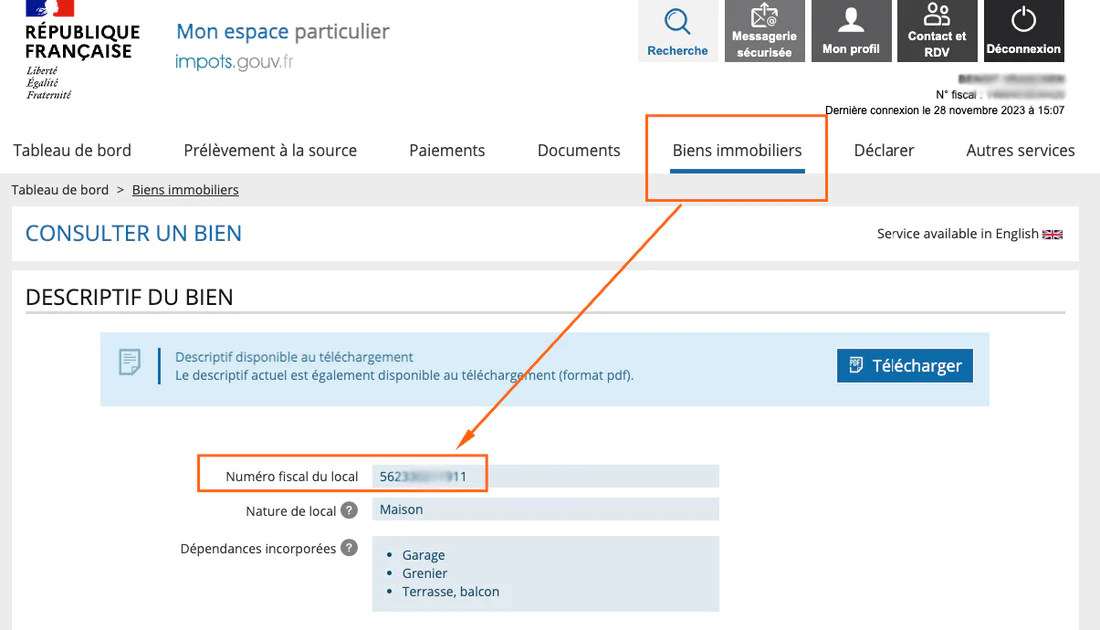
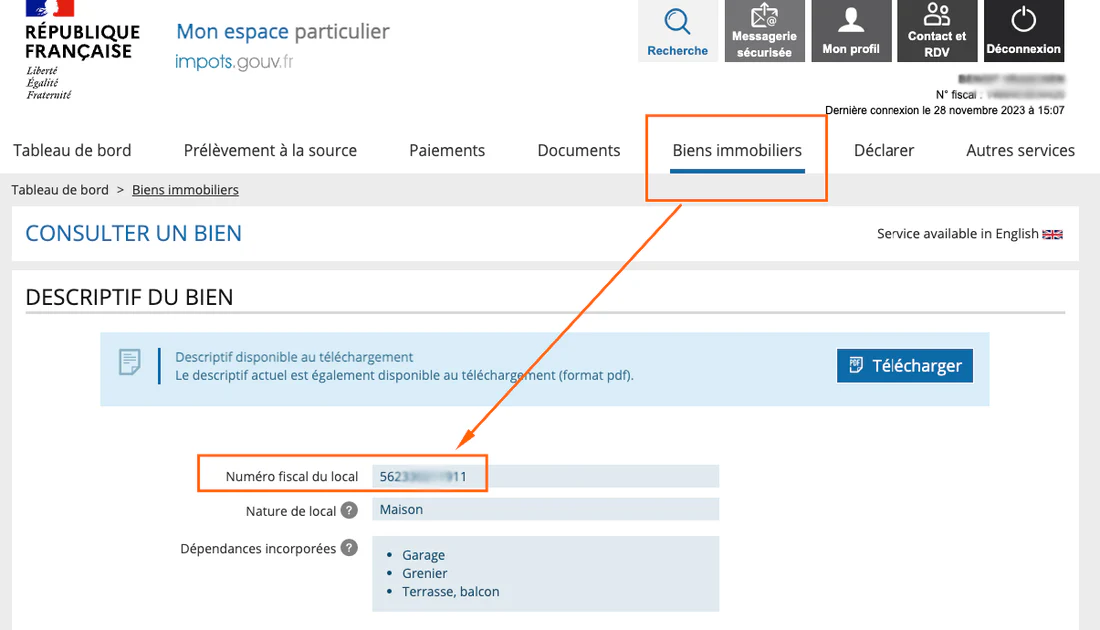
All tourist rentals will need to have a registration number from the town hall. Renting without this number exposes you to fines of up to 50,000 €.
To follow all developments, read our article on Airbnb regulations in 2026.
How to secure a legal subletting arrangement: the 6 steps
A properly compliant subletting arrangement requires methodical preparation. Here are the six essential steps.
-
01
Re-read your lease
Check that there is no clause prohibiting subletting.
-
02
Consult the building regulations
Identify any possible restrictions on short-term rentals.
-
03
Write a formal request to your landlord
Indicate the intended duration, the proposed rent and the profile of the subtenants.
-
04
Wait for a written response
A verbal agreement has no legal value.
-
05
Formalise the signed agreement
The document must specify the authorised rent amount.
-
06
Draw up a subletting contract
It identifies the parties and describes the property. It sets the duration, the rent and the insurance conditions. It refers to the landlord's consent and includes the mandatory documents.
Check your home insurance before subletting. Most comprehensive home insurance policies do not automatically cover damage caused by a subtenant. Notify your insurer before the first rental. For declaring the income you receive, our article on Airbnb tax matters explains how to proceed correctly with the tax authorities.

Subletting via the Airbnb co-host programme
Airbnb offers a co-host programme that allows you to entrust the management of a listing to a third party. This arrangement facilitates day-to-day operational delegation.
Note: the co-host programme does not exempt you from the landlord's consent. It only organises the relationship between the main host and their manager. It has no effect on the tenant's legal obligations towards their landlord.
To better understand management delegation, our complete guide to Airbnb concierge services for owners gives you all the key reference points.
Key takeaways
- The landlord's written consent is mandatory - no exceptions.
- The subletting rent cannot exceed the main rent.
- Without authorisation - you risk lease termination and repayment of all your income.
- The Le Meur Law 2024 - toughened sanctions in co-ownership buildings and high-demand areas.
- Always formalise the agreement in writing - and draw up a complete subletting contract.
- 1.Can a tenant sublet their property? - Service-Public.fr, consulted February 2026.
- 2.Law no. 89-462 of 6 July 1989, article 8 - Legifrance, 2024.
- 3.Law no. 2024-1039 of 19 November 2024 (Le Meur Law) - Legifrance, November 2024.
- 4.Airbnb's liability in subletting cases (Court of Cassation ruling, 7 January 2026) - CDMF Avocats, January 2026.
- 5.Airbnb, unlawful subletting: sanctions and compensation for the landlord - Village-Justice.
Read also