Yes, the energy performance certificate (DPE) has been mandatory for short-term rentals since November 2024. The Le Meur Act requires an energy performance assessment for all furnished tourist accommodations. Properties rated F or G face progressive restrictions. Here is what you need to know to stay compliant.
Why the energy performance certificate (DPE) now applies to short-term rentals

For a long time, the energy performance certificate (DPE) only applied to long-term rentals. The Climate and Resilience Act of 2021 set a strict timeline for standard leases. Furnished tourist accommodations remained outside the scope.
The Le Meur Act of 19 November 2024 changed that. It makes the energy performance certificate (DPE) mandatory for all registered furnished tourist accommodations in France.
properties are classified as energy sieves in France, representing 14.4% of the total housing stock according to the SDES.
On the Côte d'Azur, the situation is more favourable. The Alpes-Maritimes department has 47,915 energy-inefficient properties. This represents 8.60% of the local housing stock, below the national average. The Mediterranean climate partly explains this difference.
Two separate laws: do not confuse the timelines
Many owners mix up the two frameworks. Here are the key differences.
| Criterion | Climate and Resilience Act (2021) | Le Meur Act (2024) |
|---|---|---|
| Type of rental | Long-term (standard leases) | Furnished tourist accommodations |
| Grade G banned | Since January 2025 | 2034 for all furnished properties |
| Grade F banned | From 2028 | 2034 for all furnished properties |
| Grade E banned | From 2034 | Not planned at this stage |
| Reference legislation | Law no. 2021-1104 | Law no. 2024-1039 |
To understand the full set of Airbnb regulations in 2026, we recommend reading our dedicated guide.
Energy performance certificate (DPE) for short-term rentals: which timeline applies in 2026?
The Le Meur Act provides for two distinct phases depending on your situation.
- Since 21 November 2024: new furnished properties in high-demand zones must present a DPE rating of A to E.
- From 1 January 2034: all furnished accommodations will need to display a DPE rating of A to D.
- Transition period: owners already operating have 10 years to comply.
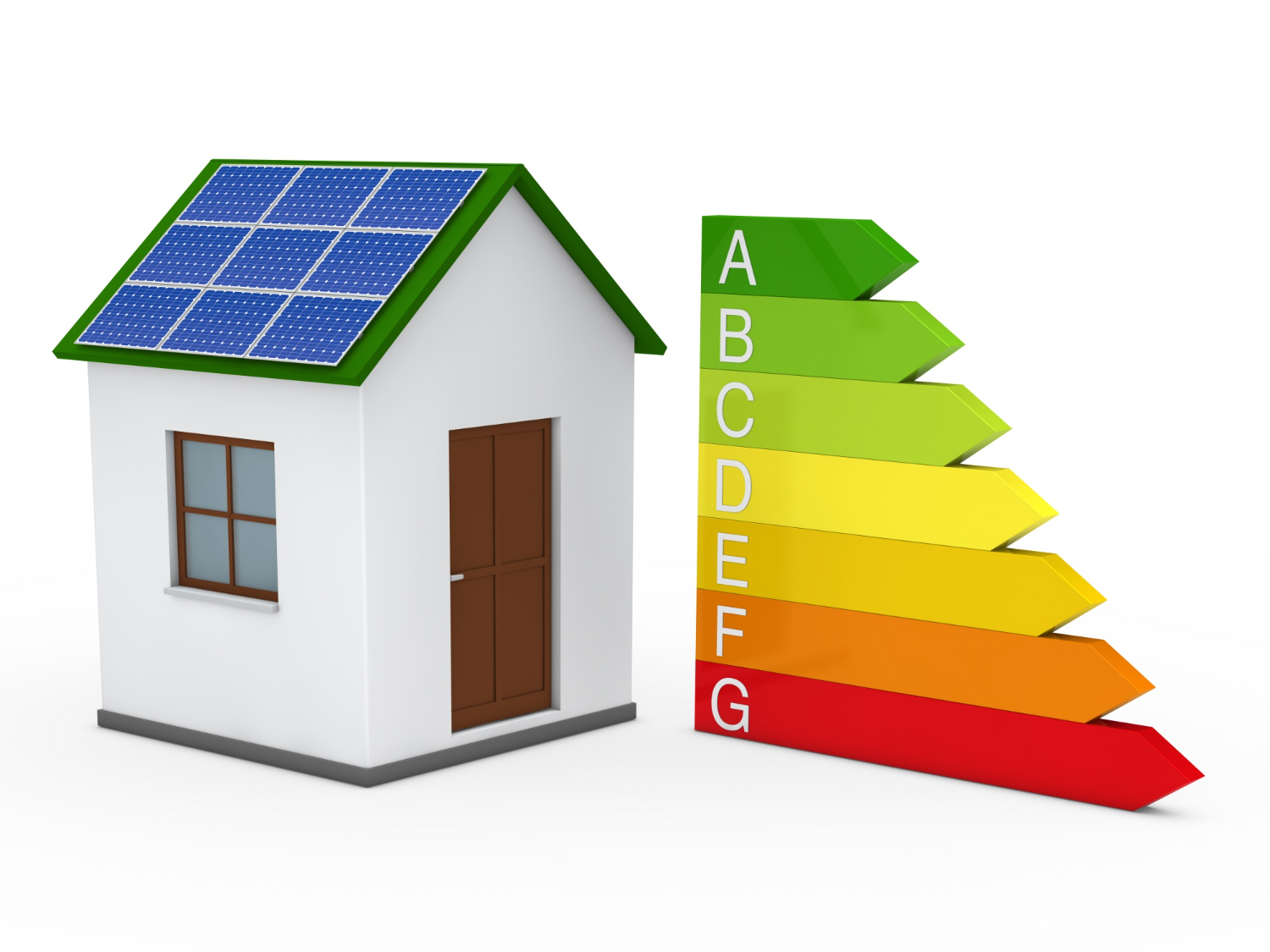
Get your energy performance certificate (DPE) done now to understand your actual situation and plan ahead with confidence.
What is your property's potential?
Get a free, no-commitment rental audit from our on-the-ground team.
Minimum energy rating: where does your property stand?
- Grade A to D: no restrictions
- Grade E: permitted in 2026, but excluded from 2034
- Grade F: permitted for existing furnished properties until 2034, banned for new ones in high-demand zones
- Grade G: same rules as Grade F
Electricity coefficient reform: good news in 2026
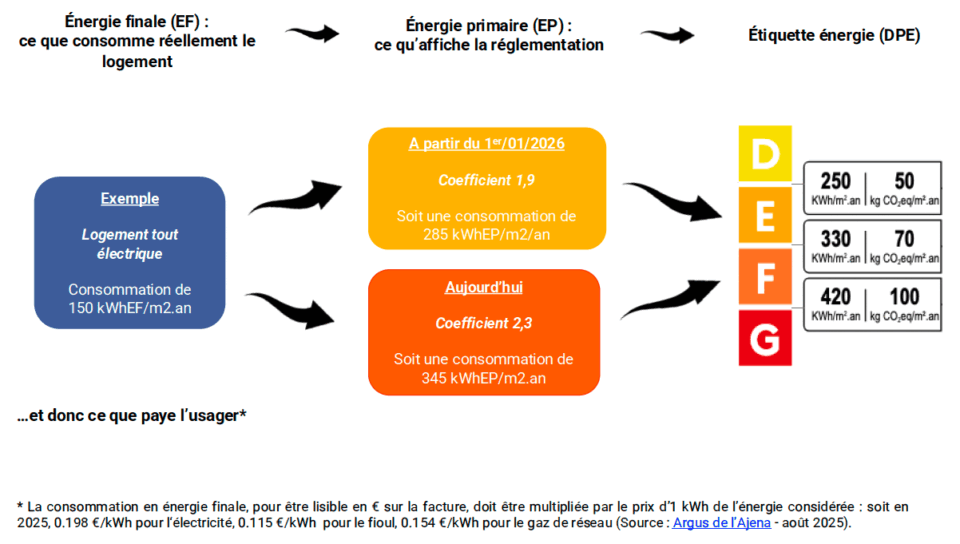
Since 2026, the electricity conversion coefficient has been revised. Properties heated by electricity may see their DPE rating improve without any renovation work.
In practice, a property rated F could move to E after recalculation. The update is free of charge.
Before investing in insulation work, check whether the electricity coefficient reform improves your rating.
In addition, the small-property reform that came into force in July 2024 removed around 140,000 properties from the energy-sieve classification.
A question about your project?
Talk directly with your local Vesna agent. Available, responsive, no commitment.
How to obtain an energy performance certificate (DPE) for your furnished tourist accommodation
-
01
Find a certified assessor
Consult the official Ministry directory to identify a professional near you.
-
02
Book a site visit
The assessor visits your property. Allow 30 minutes to 1 hour on site.
-
03
Receive your report
You obtain the energy and climate rating for your property.
-
04
Keep the document
The DPE is valid for 10 years. Keep it accessible for any administrative request.
DPEs carried out between 2013 and 2017 expired on 31 December 2022. Those carried out between 2018 and June 2021 expired on 31 December 2024.
How much does a DPE cost in 2026?
| Criterion | Detail |
|---|---|
| Price range | 100 to 250 € |
| Average price | Around 180 € |
| Validity | 10 years |
| Who pays | The property owner |
A modest investment relative to the rental income generated.
What are the risks of operating without a DPE in short-term rental?
- Administrative fine: up to 5,000 euros
- Unable to rent: refusal of change-of-use authorisation
- Legal risk: a guest could challenge the rental
Need full support for your furnished tourist accommodation? Discover our Airbnb concierge service in Nice.
Frequently asked questions
- 1.What you need to know about the DPE — economie.gouv.fr, December 2025.
- 2.Property survey: DPE — Service-Public.fr, 2025.
- 3.Law no. 2024-1039 (Le Meur Act) — Legifrance, November 2024.
- 4.Housing stock by DPE rating — SDES, November 2025.
- 5.Furnished tourist rental: rules to follow — economie.gouv.fr, March 2026.
- 6.Law no. 2021-1104 (Climate and Resilience) — Legifrance, August 2021.
Read also